Electric cooperatives across the country are breaking ground on projects under the Wildfire Assessment and Resilience for Networks consortium, a Department of Energy-funded effort to combat wildfire threats and protect consumers’ access to electricity.
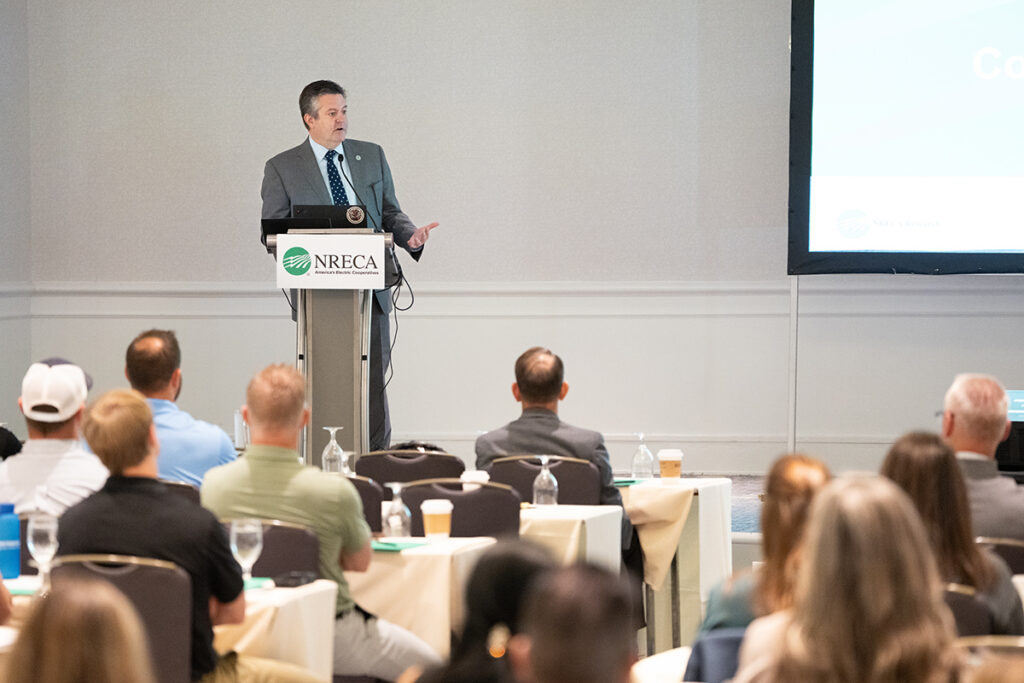
More than 30 participating co-ops gave project updates during NRECA Research’s second annual WARN consortium meeting in Washington, D.C. The meeting also included presentations by wildfire mitigation technology providers and NRECA staff supporting the WARN project.
NRECA Research manages the overall project for the benefit of the consortium and the association’s wider membership, with Holy Cross Energy serving as the lead co-op.
“You have a group of cooperatives doing what we do best—coming together and collaborating and bringing multiple parties to an effort that individually would have been burdensome and difficult for any cooperative to tackle on its own,” NRECA Chief Operating Officer Jeffrey Connor said at the Aug. 26-27 gathering.
The co-op WARN projects, funded partly by the DOE’s Grid Resilience and Innovation Partnership grant program, will improve system reliability and resilience and help mitigate the risk of utility-ignited fires.

The initiative will also help co-ops assess the value of wildfire-related resilience upgrades, including protecting grid assets, property and other resources—information that can guide investments in mitigation nationwide.
“The work that you do through these grants and through this program is going to create an example that others can follow,” Connor said. “That is part of the responsibility that NRECA has with you, to make sure that the learnings and the successes that you have and the challenges that you overcome are known to other electric cooperatives as they go out and tackle these same issues.”

The WARN consortium is made up of 35 co-ops that banded together to apply for funding through GRIP, a $10.5 billion NRECA-backed program created through the bipartisan infrastructure law of 2021. NRECA has worked to protect the program ever since. Altogether, WARN will provide more than $140 million in wildfire mitigation funding to co-ops across 17 Western and Midwest states.
“The work you’re leading is reshaping how America prepares for wildfires, how cooperatives protect the communities they serve, and how our nation strengthens the grid under conditions that are evolving faster than ever,” Vicki Tran, deputy assistant secretary of the DOE’s Office of Electricity, told co-ops at the event.
The expertise built through the WARN consortium “will be shared throughout the entire NRECA cooperative network nationwide,” she said.
As of Aug. 26, seven co-ops have been cleared to start construction on WARN projects:
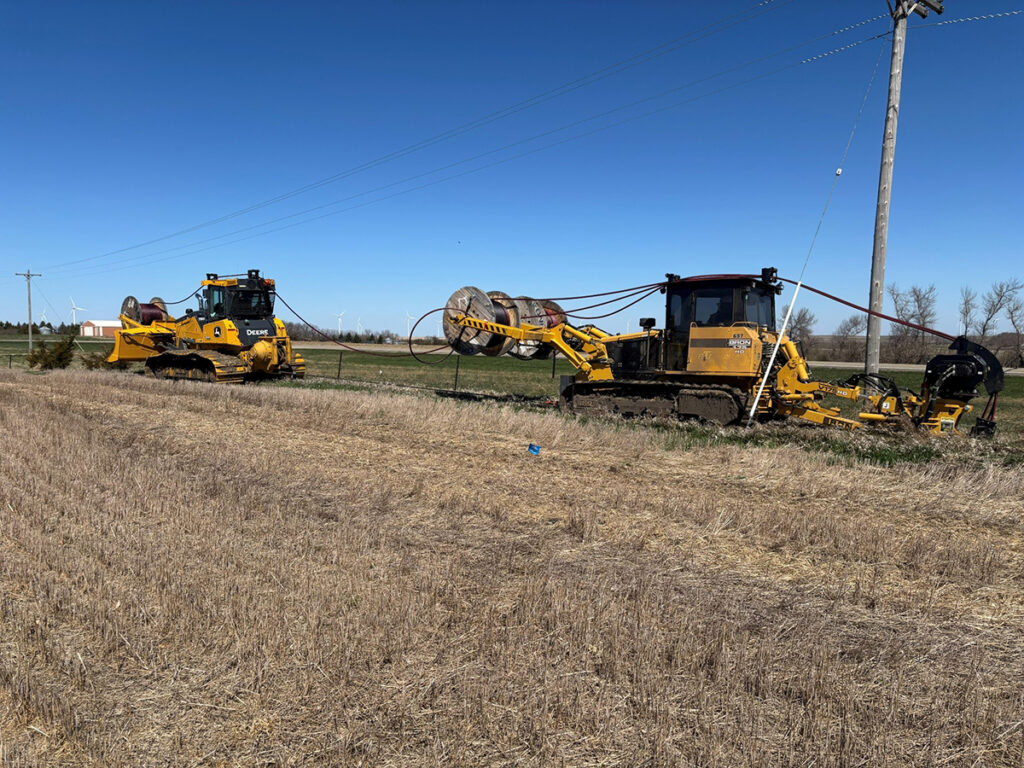
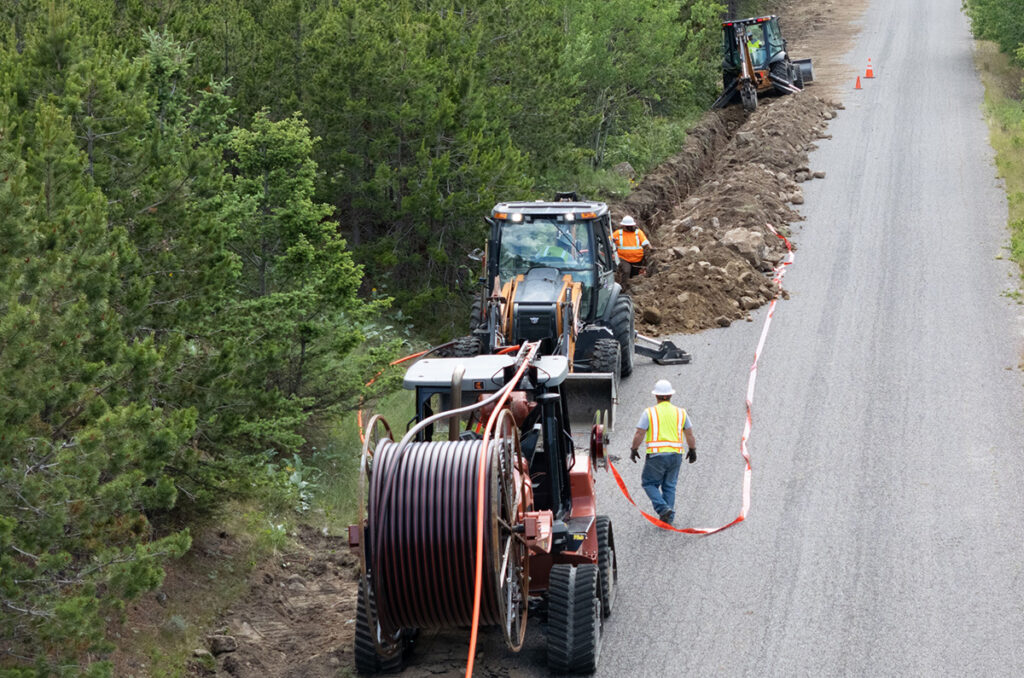
- Holy Cross Energy (Glenwood Springs, Colorado): Replacing overhead power lines in Garfield County with underground infrastructure. Construction began earlier this year, with 13 miles of new underground lines expected to be energized in 2029.
- Springer Electric Cooperative (Springer, New Mexico): Installing fire-resistant mesh wraps on 371 poles across the Kiowa National Grasslands in Colfax and Harding Counties, New Mexico. The co-op is aiming to complete the project this September.
- Beartooth Electric Cooperative (Red Lodge, Montana): Undergrounding 5.1 miles of power line in its East Rosebud Corridor in 2026-2027. Construction on the second phase of the project to underground lines around the East Rosebud Lake community will take place in 2027-2029.
- Capital Electric Cooperative (Bismarck, North Dakota): Converting an 11-mile, three-phase power line to underground conductors. Construction began in April and finished at the end of July.
- Consumers Power Inc. (Philomath, Oregon): Undergrounding circuits and upgrading meter bases in the remote Santiam Canyon, where devastating wildfires in 2020 destroyed much of CPI’s system. CPI anticipates breaking ground in the coming weeks, with completion targeted for September 2027.
- Cotton Electric Cooperative (Walters, Oklahoma): Performing a range of upgrades including vegetation management, copper conductor replacement, pole inspection and replacement, and recloser modernization. Project completion is targeted for 2028.
- Highline Electric Association (Holyoke, Colorado): Installing 28 reclosers at various points on the co-op’s distribution line and within distribution substations to automatically detect faults and stop and restart power flows based on wildfire risk. Project completion is targeted for 2027 or 2028 at the latest.
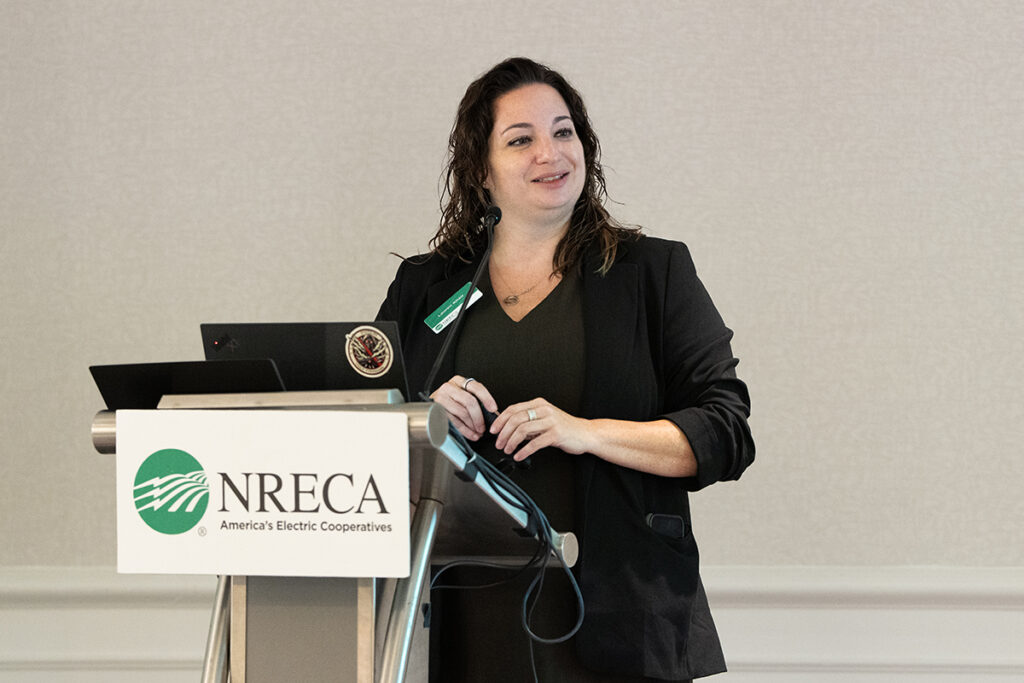
Other WARN consortium members are making progress on their projects and may get the greenlight soon to start construction, said Lauren Khair, senior director of energy research and resilience for NRECA’s Business and Technology Strategies group.
“In the next few months, many of the WARN consortium members will be ready to proceed to construction and put these critical investments to work in their communities,” Khair said.
She also flagged existing DOE money available for consortium members to cover their investments in advanced wildfire mitigation technologies, including drones, cameras and sensors to help increase their overall system reliability and situational awareness.
“This is a great time for us to reflect on the process so far and the progress that we’ve made but also the great things that are awaiting us,” Holy Cross President and CEO Bryan Hannegan said.
Hannegan is the principal investigator for the WARN project and works in coordination with NRECA Research on the initiative.
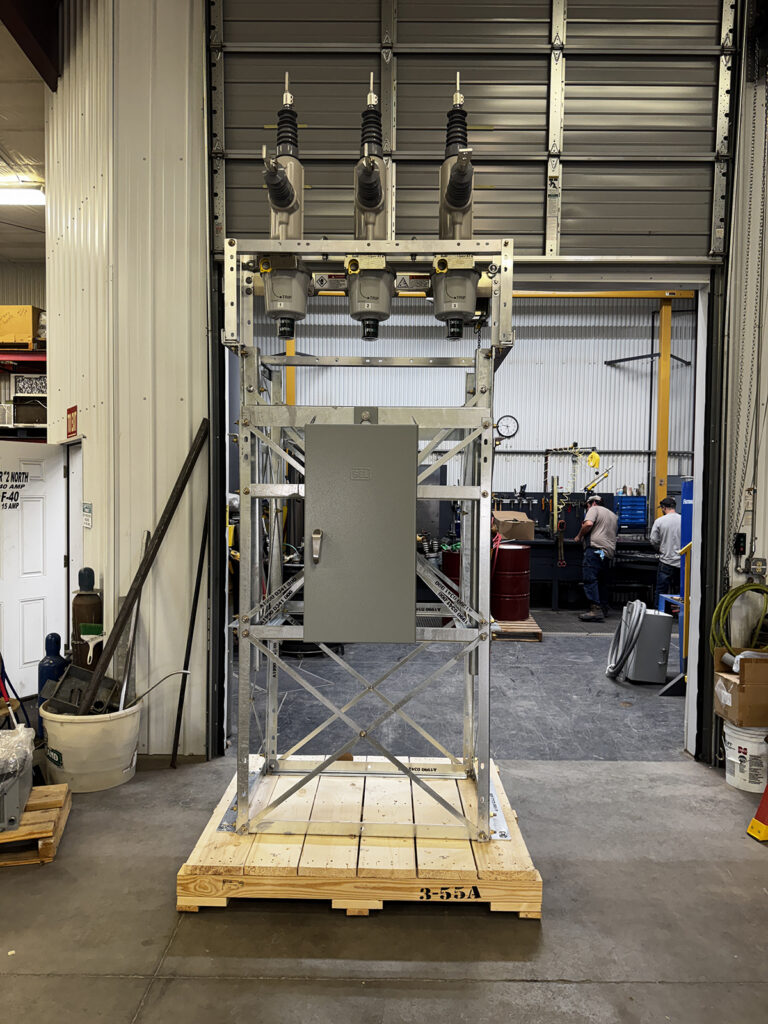
The value of the WARN project “goes far beyond a successful construction project,” said Greg Owen, manager of engineering services for Capital Electric in North Dakota. “We learned about the hazards surrounding wildfires, how to be aware of wildfire risks in both real-time alerts and long-range planning.
“By better understanding how and where wildfires are likely to occur, we can plan system improvements to align our reliability goals with hazard mitigation outcomes,” he said.
Consumers Power in Oregon “is grateful for the opportunity to work with NRECA and the WARN consortium,” project manager Austin Jackson said. “The [cooperation], shared expertise and grant funding will allow us to finish undergrounding electric services in the Santiam Canyon. This work will strengthen the system and help reduce wildfire risk for a community recovering from devastating fires in 2020.”
View videos from DOE featuring co-ops’ WARN projects in South Dakota and Colorado:
Molly Christian is a staff writer for NRECA.