Last Updated: Oct. 10, 8 a.m. ET
Electric cooperatives in the Gulf Coast reacted quickly and with full force after Hurricane Isaias knocked out power to more than a quarter-million co-op members across Florida, Alabama and Georgia.
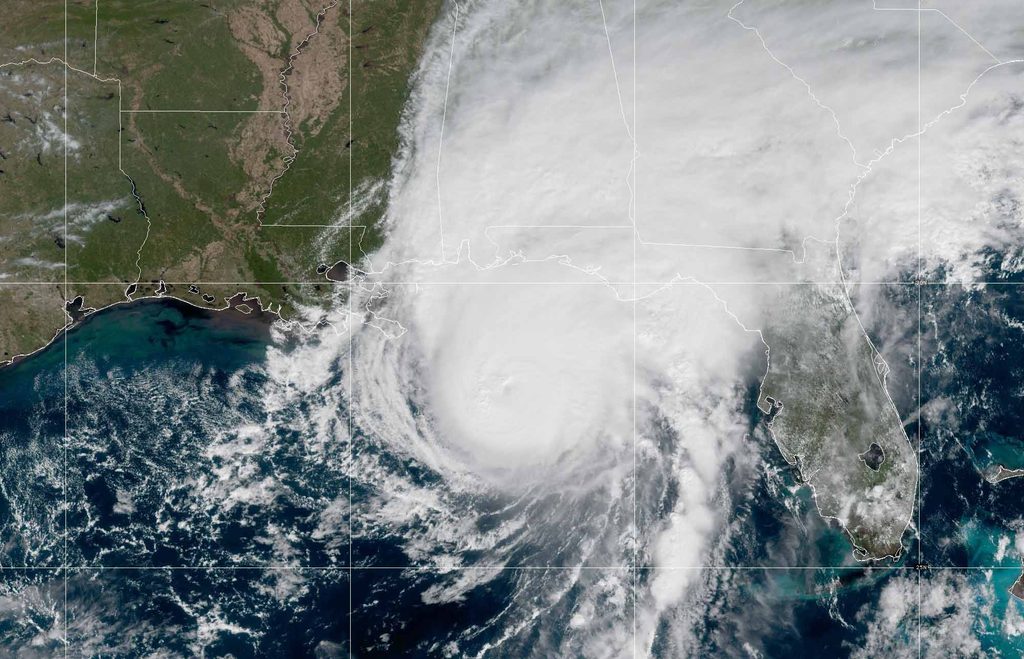
The Category 2 storm, the first to hit the Gulf area in two years, made landfall near Destin in the Florida panhandle at 9:30 p.m. Friday. Its sustained 115 mph winds and accompanying rainfall caused massive wind and storm damage in coastal communities.
Deprived of warm Gulf water and air, it quickly weakened to a Category 1 storm as it moved to the northeast, leaving co-ops to assess the aftermath of the first Atlantic hurricane of the year.
By daybreak on Oct. 10, power was out for about 107,000 co-op members in Florida, 103,000 in Alabama and 45,000 in Georgia.
Choctawhatchee Electric Cooperative, based in DeFuniak Springs, Florida, and Escambia River Electric Cooperative, based in Jay, Florida, were the hardest hit. CHELCO reported more than 70,000 members without power, about 93% of its system, by early Saturday, while some 95% of Escambia River EC was down, according to reports from co-ops and PowerOutage.com.
In a video message to members, CHELCO CEO Steve Rhodes said the hurricane-force winds of 100 mph and saturated ground from days of rain brought down trees across its territory, which serves four counties and Eglin Air Force Base. More than 400 personnel from CHELCO and other utilities were on the scene to assess damage and restore power, and the co-op was setting up a 500-crew basecamp.
“We plan all year to support hurricane restoration; it’s not something that we want to do, but when the time comes, we want to be prepared,” said Matthew Avery, CHELCO chief operating officer, noting workers labored until weather conditions made it unsafe to do so. “We’re working for you 24/7.”
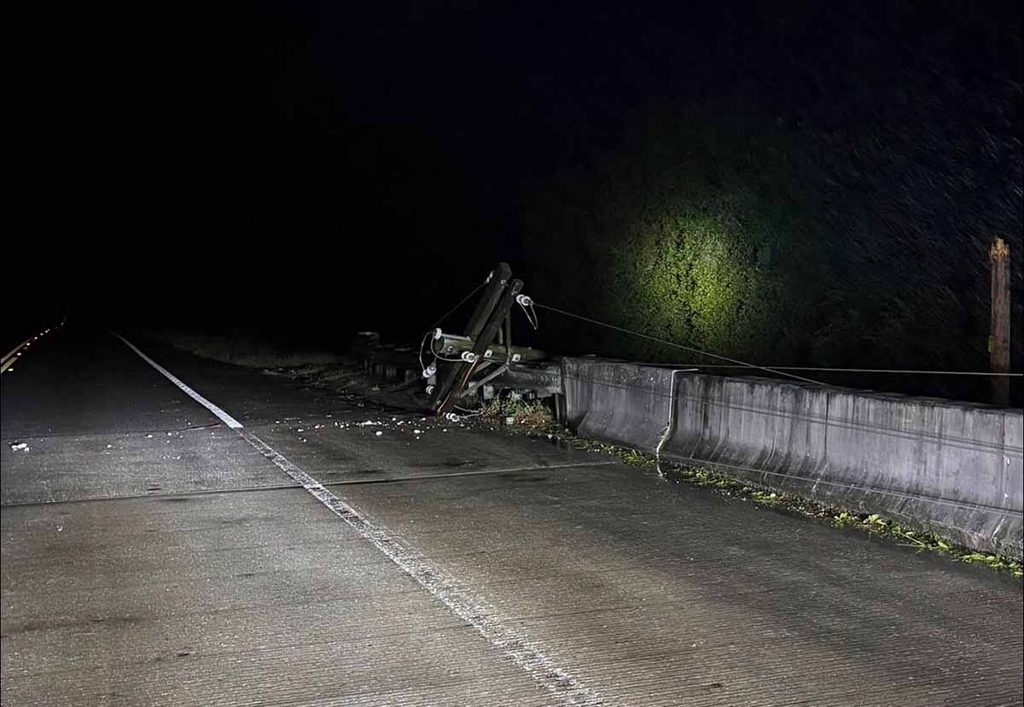
Graceville-based West Florida Electric Cooperative also paused overnight work until it was safe to return to power restoration. At peak, some 19,400 members, or about 65%, lacked power; the co-op reported outages affecting four substations.
In Alabama, Wiregrass Electric Cooperative, based in Hartford, and Covington Electric Cooperative, based in Andalusia, were both coping with outages to about two-thirds of their membership. Wiregrass serves about 27,500 members and Covington more than 25,000.
Isaias also struck Summerdale-based Baldwin EMC, where more than 20% of the system was down along its Alabama coastal territory. “We have received reports from crews across our service territory of trees and power lines down. With the saturated soil conditions, we anticipated significant tree damage and impacts to our system,” Baldwin reported to members.
As always, long-term planning and mutual aid were the key to swift action. Central Alabama Electric Cooperative in Prattville had about 5,700 of its more than 47,000 members without power on Saturday but was ready to ring them back online.
“We’ve got our in-house crews. Everybody will be here,” said Jimmy Gray, vice president of engineering and operations. “We also have contractors we work with. So we’ve been getting contractors scheduled to be here, ready to work Saturday morning, getting hotel rooms, food, everything lined up and gearing up to, once it passes through, start that work.”
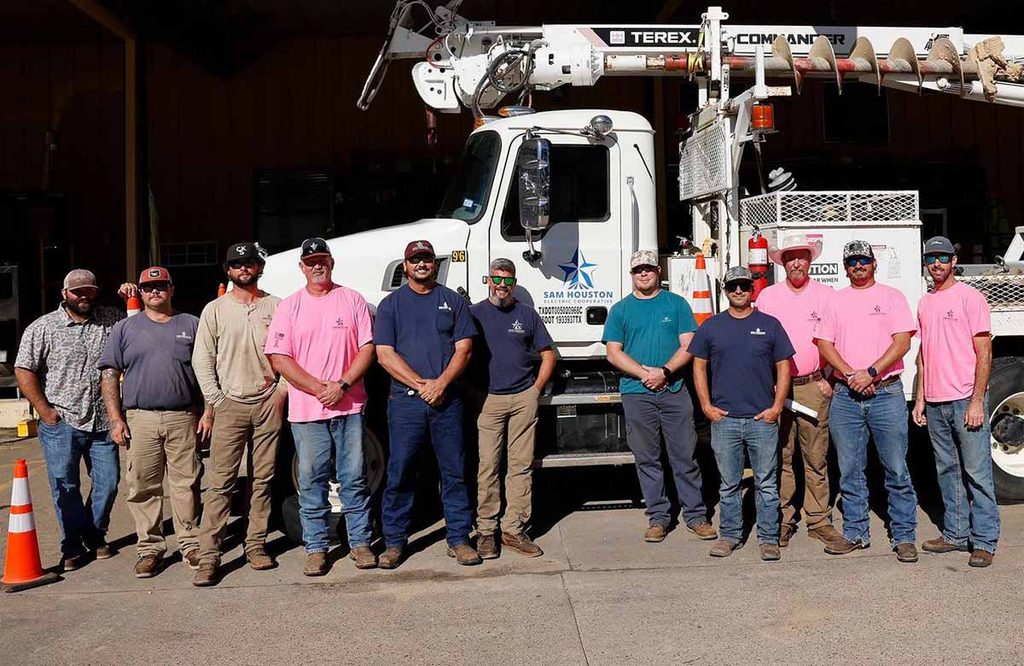
Relief crew from other co-ops also were at the ready. Eleven lineworkers from Sam Houston Elctric Cooperative, based in Livingston, Texas, were on the way to help Baldwin EMC.
“Crews from other cooperatives helped us restore service to members following Tropical Storm Edouard this summer, and we’re proud to lend a hand to our fellow co-ops and their communities,” the co-op said.
Steven Johnson is a contributing writer for NRECA.