The Oregon Rural Electric Cooperative Association and NRECA’s Voices for Cooperative Power have generated nearly 5,000 letters to the governor from electric cooperative members and allies in support of carbon-free, low-cost hydropower critical to keeping electricity affordable and reliable across the Pacific Northwest.
That’s more than twice the campaign’s original target of 2,000 letters. The effort, which began on May 27 and ended July 3, also attracted more than 3,200 new VCP members as scores of Oregonians joined the grassroots group.
“It’s been amazing teamwork between ORECA and VCP,” said Ted Case, executive director of the statewide association. “For a small statewide like we have, it really allows us to punch above our weight.”
Tucker Billman, the statewide association’s government relations director, said he was especially surprised and pleased by the unexpectedly high support from allies in Oregon’s largest city, Portland, where there are no electric co-ops but people are angry about rising power costs.
“It really ignited a fire when we asked: ‘Why is the governor making electricity more expensive in the state?’” he said.
Advocates sent their letters to Democratic Gov. Tina Kotek, urging her “to work directly with electric cooperatives to protect the reliable, affordable power generated by the dams on the Federal Columbia River Power System.”
“I am concerned about the increased rates and decreased reliability that will flow from your recent court-ordered reduction in electricity generation from [the system]—for which Oregonians will pay the price,” advocates wrote.
The Bonneville Power Administration, which markets and sells power from the dams to co-ops and public utilities, warned that a recent federal court ruling sought by Kotek would reduce the amount of hydropower generated by the dams and raise wholesale power rates for utilities by 6% to 7% over the next two years. That could translate to an increase of about 3% for Oregon consumers.
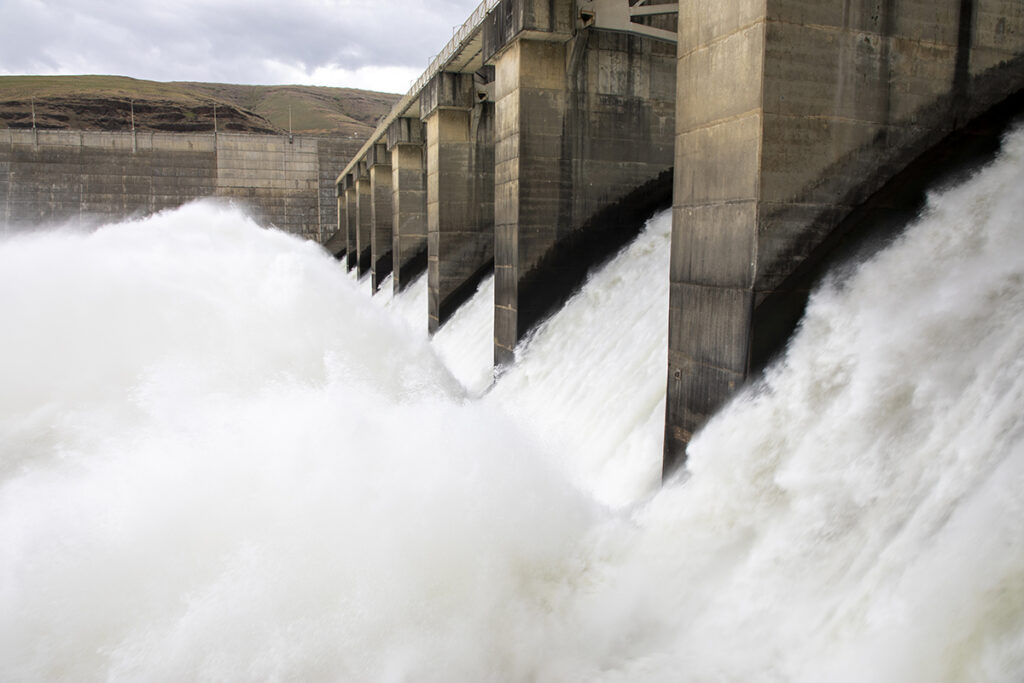
At Kotek’s request, a U.S. District Court judge issued a ruling in February that requires the Army Corps of Engineers to divert more water through spillways rather than through electricity-generating turbines. The governor said the ruling—which is being appealed—would help save the state’s endangered salmon with “modest impacts on power generation.”
BPA says it “has spent hundreds of millions of dollars to make dams safer for fish and will continue efforts to provide safer passage into the future.” And Oregon co-op leaders, in an open letter to the governor in the state’s major newspapers, said co-ops and other consumer-owned utilities “remain the primary funders of the world’s largest fish and wildlife mitigation program.”
“Through decades of investment in fish passage, habitat restoration and predation management, we have demonstrated that salmon recovery and hydropower can and must co-exist,” they wrote.
VCP advocates told the governor that the dams provide “always-available, carbon-free electricity that powers homes, farms, schools and small businesses throughout our region.”
“If decisions are being made that could affect this power supply, the public deserves transparency about the impacts on monthly bills, grid reliability and whether there is a real replacement plan that does not decrease reliability or increase costs or carbon emissions,” the letters said.
Oregon co-op leaders are so passionate about the issue that they competed to see which of their co-ops could generate the most letters to the governor, Billman said. In the end, Coos-Curry Electric Cooperative in Port Orford won the friendly contest.
“Oregon continues to be one of our strongest grassroots partners,” said Kelly Cushman, NRECA’s vice president of political programs. “When statewide leaders and VCP advocates work together, we’re able to elevate local voices and make sure policymakers understand what’s at stake for co-op members.”
Successfully engaging local advocates was easier than usual because VCP and the Oregon statewide have been reaching out to residents for years as part of a larger effort among Northwest co-ops and NRECA in support of the Lower Snake River dams, said Hannah Cooper, NRECA’s grassroots advocacy director.
An agreement reached during the Biden administration threatened to breach those dams, sparking a VCP letter-writing campaign beginning in 2022 to protect the hydropower that provides energy to more than 50 co-ops in the Pacific Northwest. The Trump administration has thrown out the Biden-era plan but, as the Oregon lawsuit showed, there are attempts to revive it.
“We really benefited from four years of steady engagement leading up to this campaign,” Cooper said. “It shows how building trust over time makes people more willing to step up when it matters.”
Erin Kelly is a staff writer for NRECA.