In Montana’s Flathead Valley, the suicide rate among youths is more than double the national average—a crisis that’s mirrored elsewhere in the state and other highly rural areas, due in part to limited mental health services.
But Montana’s largest electric cooperative is stepping up to boost mental health resources for the more than 17,000 students in its service area.
Flathead Electric Cooperative recently awarded a $157,500 Community Education Grant to a local suicide prevention organization for an in-school, comprehensive, evidence-based mental health initiative.
“Unfortunately, Montana has the highest suicide rates in the nation,” said Courtney Stone, communications and marketing supervisor at the Kalispell-based co-op. “It’s a terrible problem across all ages and demographics, and it’s something that people in Montana are really starting to talk about more.”
Program content will come from the New York-based Jed Foundation, a national organization that aims to assess and strengthen mental health, substance misuse and suicide prevention systems for teens and young adults.
The Nate Chute Foundation in Whitefish, Montana, will provide on-the-ground support and local coordination in schools in the sprawling Flathead Valley, a mix of well-heeled urban areas and unincorporated towns, some with one-room schoolhouses.
“Teachers and administrators are doing incredible work, but often without the training or tools they need,” said Nicci Daniher, program and engagement director at the Nate Chute Foundation. “Many operate without counselors or coordinated prevention plans.”
The Jed Foundation will assign a mental health specialist to each participating school and will work with an interdisciplinary team, complete a baseline assessment and create a tailored action plan across seven areas—from mental health literacy to crisis response.
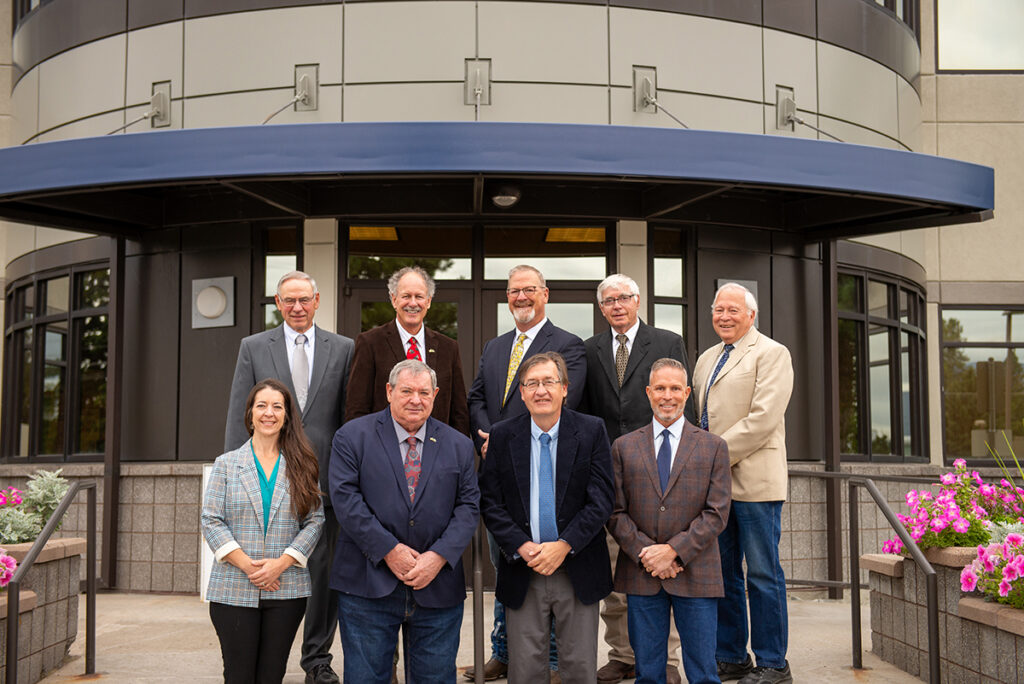
The grant, to be disbursed over five years, is one of the largest in Flathead EC’s Community Education Grant program. The proposal’s scope and mandate of “elevating school capacity without burdening staff” appealed to the co-op’s nine trustees, said Board President Stacey Schnebel.
“This is way for us to maximize our impact on our community over the long term,” Schnebel said. “That’s a value we hold as cooperatives.”
As a recipient of a Community Education Grant, the suicide prevention initiative is funded by unclaimed capital credits, which Montana law allows co-ops to use for educational purposes.
With the grant, the co-op is hoping to make a statement that it’s important to bring the subject of youth suicide and mental health out into the open.
“As a mother of teens, this definitely hits home,” said Schnebel. “Whatever investments we can make in our youth and their wholeness will transfer to their families and will go with them through their lives when they become adults and later as parents. It’s generational learning, and this is very important for a community that is both rural and urban.”
Victoria A. Rocha is a staff writer for NRECA.