After years of bureaucratic delays, Midstate Electric Cooperative in Oregon is making headway on crucial efforts to reduce the threat of wildfires on federal lands after the co-op’s CEO testified before House lawmakers early this year on permitting hurdles for utility operations.
The testimony got the attention of Agriculture Secretary Brooke Rollins and Undersecretary Michael Boren, who have helped Midstate secure permits that are supporting the La Pine-based distribution co-op’s system reliability and wildfire mitigation efforts. That breakthrough demonstrates “the power of the co-ops and the story that we tell,” CEO Jim Anderson said.
“We have had outstanding progress,” he said.
In February, Anderson and Sulphur Springs Valley Electric Cooperative CEO Jason Bowling of Arizona testified at a hearing on wildfires before the House Natural Resources Subcommittee on Water, Wildlife and Fisheries.
They urged a more constructive partnership among co-ops, the U.S. Forest Service and the Bureau of Land Management around vegetation management, describing how a confusing and contradictory permitting process had stymied their efforts to reduce wildfire risk in federal areas.
The CEOs also outlined ways that Congress and agencies could end the bureaucratic delays, including passing the NRECA-backed Fix Our Forests Act.
Anderson’s testimony prompted a call from Undersecretary Boren, who arranged a discussion with Forest Service representatives on Midstate’s permitting challenges.
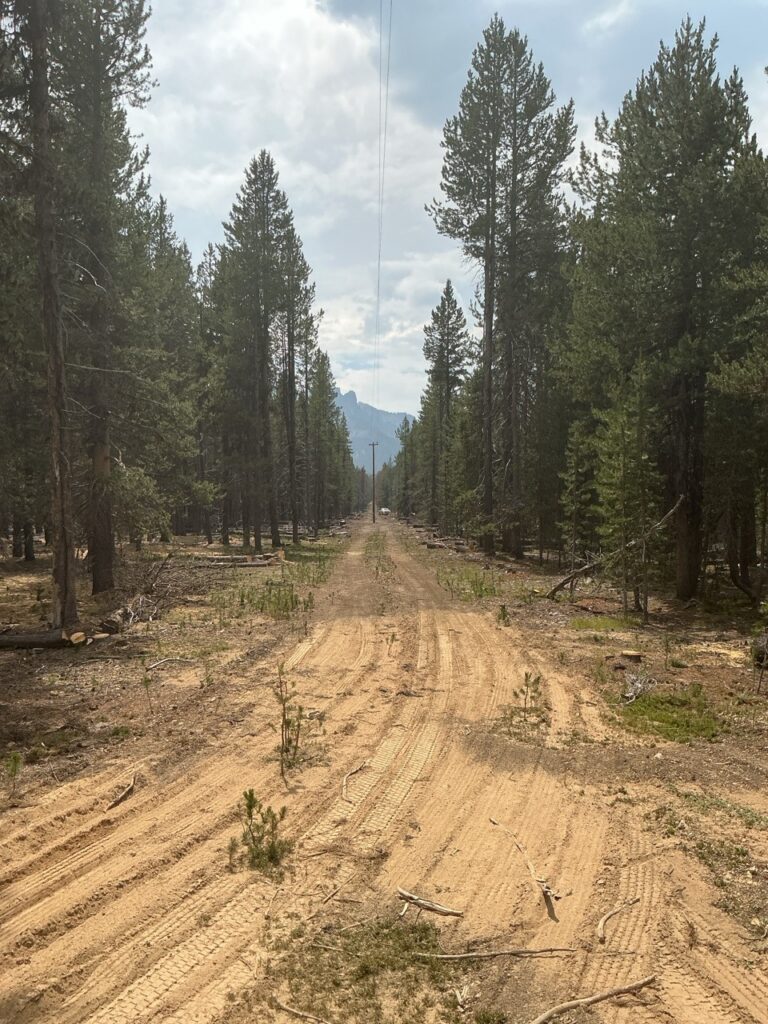
Within 30 days of that conversation, Anderson said he got authorization on four Forest Service permits, including one to widen vegetation clearing in the Newberry National Volcanic Monument within the Deschutes National Forest.
The three other new permits authorized pole replacements and undergrounding of power lines.
“We now have a right of way that provides much better access for maintenance and emergency response, including getting equipment through when it’s needed,” Anderson said. With the new permits, Midstate has been widening the ROW around its power lines in the national monument to 30 feet from less than 10 feet previously in many locations.
“I think the testimony on the Hill was key,” he said, crediting NRECA and the Oregon Rural Electric Cooperative Association with involving Midstate in the February hearing.
“We delivered a great story… and I think it hit home with a lot of [committee members]. I believe the testimony was what actually started things moving.”
Anderson also praised the “common-sense approach” of the Forest Service, noting improved communications between Midstate and the agency.
But more progress is needed, he said. Midstate is working with the Forest Service on a new operations and maintenance plan that could make it easier to remove “danger trees” that can fall from federal lands onto power lines and spark fires.
The co-op is also launching a pilot program this year with the Forest Service to expand utility management corridors to protect infrastructure while creating a strategic fire break.
“I’m hoping what’s going to come out of this is we’re going to be able to look at other ways to help streamline permitting, improve maintenance agreements, address danger tree management, [adopt] new wildfire mitigation strategies,” he said. “I think we’re getting there.”
NRECA is continuing wider efforts to streamline and speed approvals for wildfire mitigation projects on federal lands.
After the Forest Service’s outreach to Midstate, NRECA CEO Jim Matheson wrote to Boren in late March asking the Forest Service to speed permitting and approval of wildfire mitigation projects for all electric cooperatives across the national forest system.
The association is also pushing for Senate passage of the Fix Our Forests Act, which the House passed in early 2025.
“Co-ops across the nation face months or even years of delays when permitting wildfire mitigation work in and around their systems on federally managed public lands and forests,” NRECA Regulatory Affairs Director Megan Olmstead said. “NRECA appreciates Midstate Electric’s and Sulphur Springs Valley Electric’s willingness to shine light on this critical issue on behalf of all co-ops on Capitol Hill. Their powerful testimony clearly made a difference for policymakers.
“NRECA will continue to work with our public land management agencies and our members to expand the expedited wildfire mitigation permitting applied in Midstate’s case to co-ops across the National Forest System.”
Molly Christian is a staff writer for NRECA.