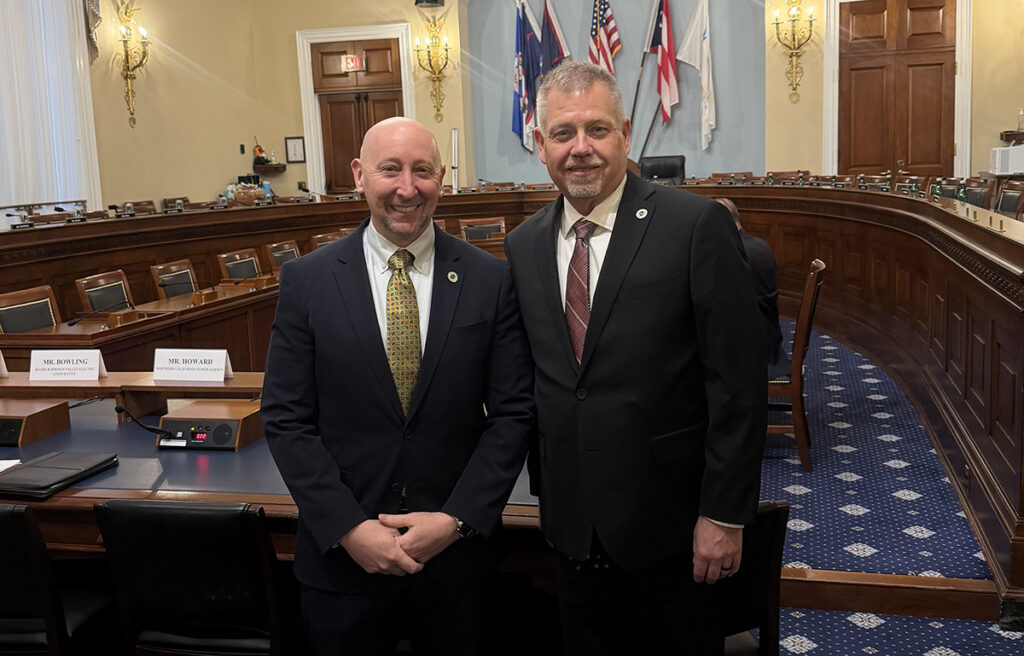
As another wildfire season is about to begin, electric cooperative leaders on Tuesday urged Congress to speed up federal approvals to allow co-ops to remove hazard trees that can fall from federal land onto power lines and spark blazes that devastate rural communities.
“Wildfire conditions have intensified across the West due to drought, higher temperatures, fuel accumulation, and expanding development near wildlands,” Jason Bowling, CEO of Sulphur Springs Valley Electric Cooperative in Arizona, told the House Natural Resources Subcommittee on Water, Wildlife and Fisheries.
Jim Anderson, CEO of Midstate Electric Cooperative in central Oregon, warned that “there will be significantly more wildfires unless the U.S. Forest Service and Bureau of Land Management develop a more constructive partnership with us to manage vegetation on our federal lands.”
“We appreciate this committee for taking a closer look at how to improve forestry management, streamline the federal permitting process, reduce unnecessary delays, and provide the regulatory certainty needed to ensure communities across the country have access to the electricity they rely on every day.”
The two co-op leaders gave lawmakers some real-world examples of how they have tried to reduce wildfire risks, only to be stymied by the confusing, often contradictory, federal permitting process.
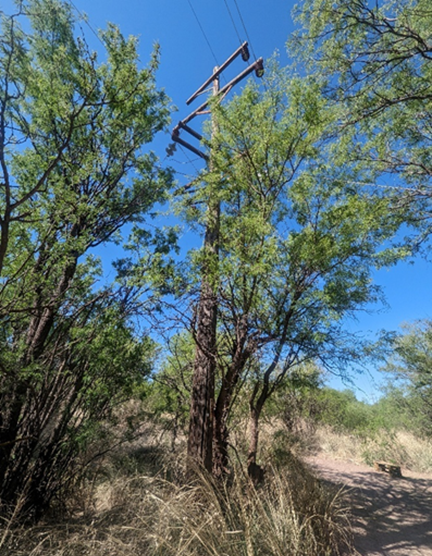
Bowling told the story of how it took more than a decade for SSVEC to get government approvals to replace aging power poles and clear brush to reduce wildfire risk near Fairbank, Arizona, a historic site along the San Pedro River west of Tombstone.
While the work required was routine, the permitting process was not, Bowling said. He described how the co-op had to deal with multiple federal and state agencies whose reviews did not align with one another.
“The process ultimately took roughly 15 years,” he said. “During that time, poles continued to age. Vegetation continued to expand. Drought conditions intensified. The risk increased while we worked through a fragmented process.”
Once the co-op finally secured all the necessary approvals, it completed construction and cleared vegetation in a matter of weeks, Bowling said.
“In this case, prevention took weeks. Permitting took years.”
In Oregon, Midstate Electric operates a power line through the rugged Newberry National Volcanic Monument, which lies within the boundaries of the Deschutes National Forest, Anderson said.
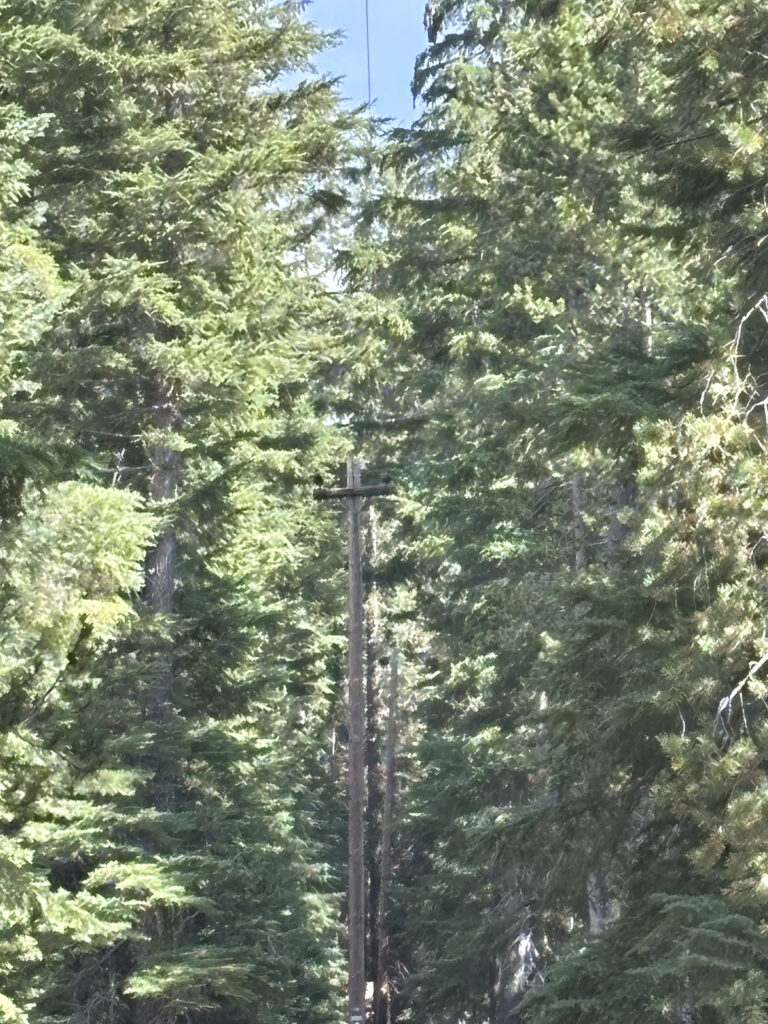
“Constructed in 1954 and 14.3 miles long, our electric line serves a resort, cabins, and multiple Forest Service facilities,” he said. “Newberry Crater is a spectacular resource and popular tourist attraction, but it is also one spark away from a devastating wildfire.”
The co-op has made numerous attempts to expand clearance around its power lines over the past several years but has made no real progress in getting approvals from the U.S. Forest Service to manage vegetation, Anderson said.
“In many parts of the utility corridor, the distance between the power line and the trees is perhaps six feet of clearance or less. In some sections, the power line is so obscured by tall pine trees that it is impossible to see our infrastructure.”
Bowling and Anderson urged Congress to end dangerous bureaucratic delays that put communities at risk. Among their recommendations:
• Pass the Fix Our Forests Act. The bill strengthens wildfire mitigation and grid resilience by expanding co-ops’ authority to remove hazardous trees within 150 feet of power lines and cutting red tape that delays clearing fallen timber. The House has passed the legislation, but it still must be approved by the Senate.
• Expedite federal permitting and approvals. The Forest Service and BLM should use all available authorities and executive orders on wildfire, land management and energy to expedite permitting for wildfire mitigation activities.
• Reform liability requirements. Currently, not-for-profit co-ops are liable for millions of dollars in damages for fires near their equipment, even if they were not at fault for causing the fire. Co-op leaders said the BLM and Forest Service should maintain reasonable strict liability caps and withdraw proposed increases; work with the Department of Justice to eliminate or reduce strict liability where no fault is found; and reduce excessive natural resource damage claims where appropriate.
• Make the process more consistent. Federal land management agencies should be consistent and reasonable in their permitting policies and should coordinate with one another in reviewing wildfire mitigation projects.
Erin Kelly is a staff writer for NRECA.