Minnesota’s electric cooperatives—working with NRECA’s Voices for Cooperative Power—won a key victory as state lawmakers voted to fund a $500,000 study that could be the first step in lifting a 32-year ban on new nuclear power plants.
Electric co-ops are pushing to end the moratorium as demand for electricity grows and co-ops face a state mandate of 100% carbon-free power by 2040.
“Keeping the lights on is not optional,” said Darrick Moe, president and CEO of the Minnesota Rural Electric Association. “Minnesota needs firm, reliable power that is available around the clock, and nuclear energy delivers exactly that.
“This study gives policymakers the information they need to understand how nuclear energy, a proven and carbon-free resource, can strengthen Minnesota’s grid for the long term.”
VCP—NRECA’s grassroots network of more than 1.4 million co-op consumer-members, employees and allies—played a crucial role in mobilizing public support for the study, said Ryan Johnson, a communications specialist at the statewide association.
The VCP advocacy campaign began in February with social media ads focused on informing Minnesotans about the issue. By the end of the month, the grassroots network began sending hundreds of letters to state lawmakers.

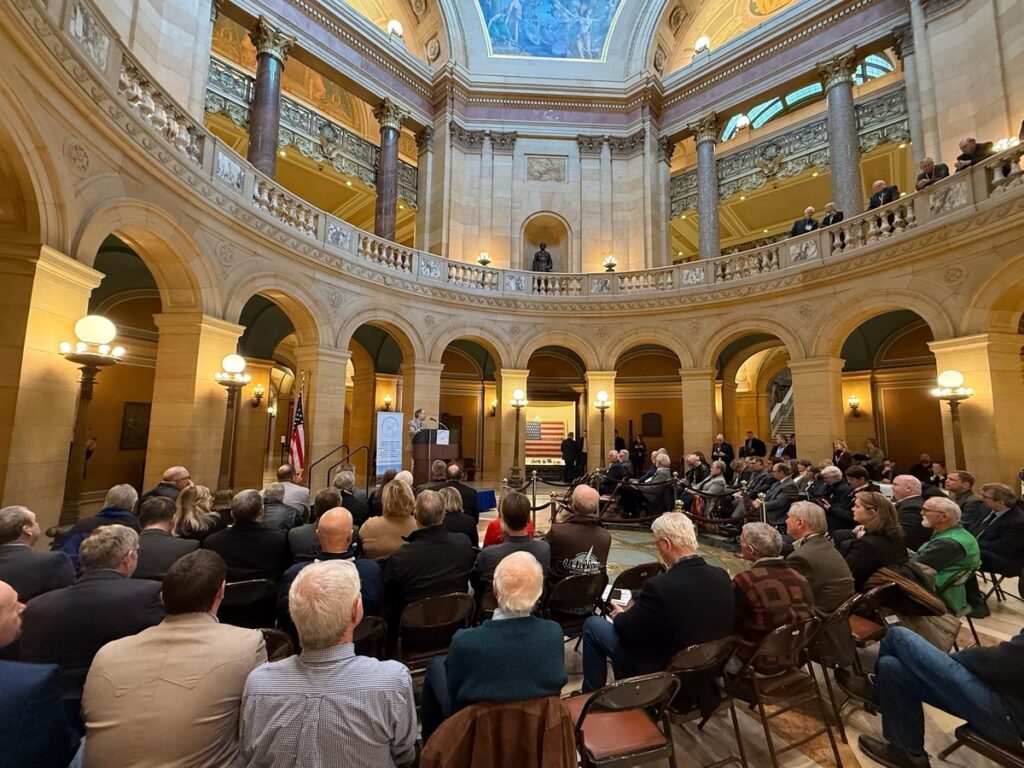
In less than a week and a half, nearly 2,000 letters had been sent, with messages arriving as co-op leaders held their annual Co-op Day at the statehouse to lobby lawmakers. A total of 3,141 messages were ultimately sent, with all 201 legislators receiving them in both rural and urban districts, Johnson said.
State lawmakers voted to approve the study on the final day of their legislative session on May 17. The nonprofit Great Plains Institute will conduct the study, which must be completed by Jan. 30, 2027.
“It’s the most significant progress toward lifting the moratorium since it was passed in 1994,” Johnson said.
“VCP was really important for getting that grassroots element. Lawmakers want to know: Do my constituents actually care? And, with VCP, we were able to show that they do.”
Kelly Cushman, NRECA’s vice president of political programs, said “VCP was proud to partner with the Minnesota Rural Electric Association to amplify co-op voices on this critical issue.”
“The response from grassroots advocates was extraordinary,” Cushman said, “and it made a real impact—demonstrating to lawmakers that Minnesotans care deeply about reliable and affordable energy.”
The statewide association plans to continue to work with VCP to keep grassroots advocates updated on what’s happening with the study, Johnson says.
The collaboration was so successful, he said, that MREA has decided to stop using a company that provided similar services as VCP but at a cost of thousands of dollars. VCP works with NRECA members for free.
“We want to use VCP to tell people that we did make progress and urge them to keep engaged,” Johnson said. “We want them to stay prepared for the next legislative session when the study comes out.”
The study will look into the costs and financial risks of building plants, the federal regulations that govern them, the job opportunities they could bring, and the environmental impacts, including radioactive waste. It will also examine the latest technology, such as small modular reactors currently under development in the U.S.
After the study is released, “Minnesota will need to take the next step and remove the barriers that prevent new nuclear development,” Moe said. “We look forward to continuing that conversation.”
Erin Kelly is a staff writer for NRECA.