The Bureau of Land Management is eliminating a major regulatory hurdle for electric cooperatives, announcing it will rescind a 2024 conservation rule that jeopardized co-ops’ ability to operate on BLM-managed lands across the West.
On May 11, the BLM said it’s repealing the Biden administration’s Conservation and Landscape Health Rule, effective June 11.
The rule made accessing and operating on BLM lands more difficult by unlawfully elevating conservation as a priority use of public lands and requiring all agency actions to be compatible with conservation moving forward. It also expanded the bureau’s authority to block co-op operations on vast swaths of land if BLM designates them as areas of “critical environmental concern,” or as a conservation lease or “right-of-way exclusion zone.”
NRECA said the rule violates the Federal Land Policy and Management Act’s “multiple use and sustained yield” doctrine, which requires public lands and forests to be used in multiple ways that serve the public.
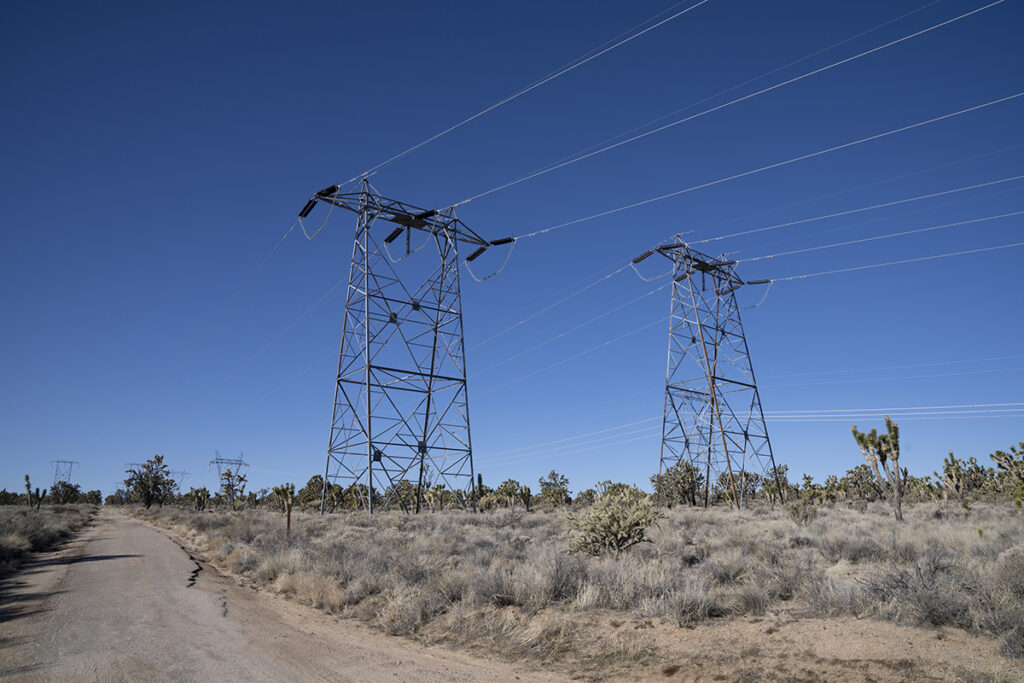
Co-ops serve more public lands than any other type of electric utility and operate tens of thousands of miles of electric transmission and distribution lines across BLM-managed public lands, much of which are in rural parts of the West. Delays or prohibitions on crucial construction, maintenance and vegetation management projects can lead to higher costs, increased wildfire and outage risks, and reduced reliability for co-op consumer members.
“The BLM conservation rule upended the multiple-use mandate by prioritizing non-use of our nation’s public lands, which jeopardized cooperatives’ ability to site and operate infrastructure across much of the West,” NRECA Regulatory Affairs Director Megan Olmstead said.
NRECA advocated on several fronts to repeal the rule, including filing comments on the regulation and meeting with BLM leadership. It also joined a coalition of industry groups from the agriculture, energy and mineral development sectors to challenge the rule in court.
NRECA’s opposition to the restrictive conservation rule is part of a broader effort to improve co-op access to federal lands. Along with engaging agencies, co-op leaders have testified before Congress on the need to streamline permitting of co-op projects on public lands, including to build and maintain power lines and remove trees and other vegetation that can spark wildfires.
NRECA is also backing a bill in Congress, the Fix Our Forests Act, that would speed federal approvals of grid hardening and wildfire mitigation work. The House passed the legislation last year, and it now awaits Senate action.
Molly Christian is a staff writer for NRECA.